Materials ABC: how to Choose a Winter Hat for your Child?
Choosing a child’s winter hat does not only depend on how thick or warm the hat feels. The material, lining, and how well the headwear protects against wind, cold, and moisture are also important. With the changeable winter weather, one hat may be suitable for a cool autumn day, while another is meant for wearing in frost and snowfall.
Children’s winter hat materials differ in terms of insulation, breathability, and moisture management. How do wool, merino wool, cotton, acrylic, and fleece differ? Here is a closer look at the properties of different materials and what to consider when choosing a winter hat for a child.
Children’s winter hat materials – what are the differences?
For mild winters, hats with a cotton outer fabric and a fleece lining are very suitable. For cold winters, cotton is best when used as the hat’s lining. However, a cotton outer fabric can get wet in snowfall – which is why other materials are often preferred when choosing the outer fabric for a winter hat.
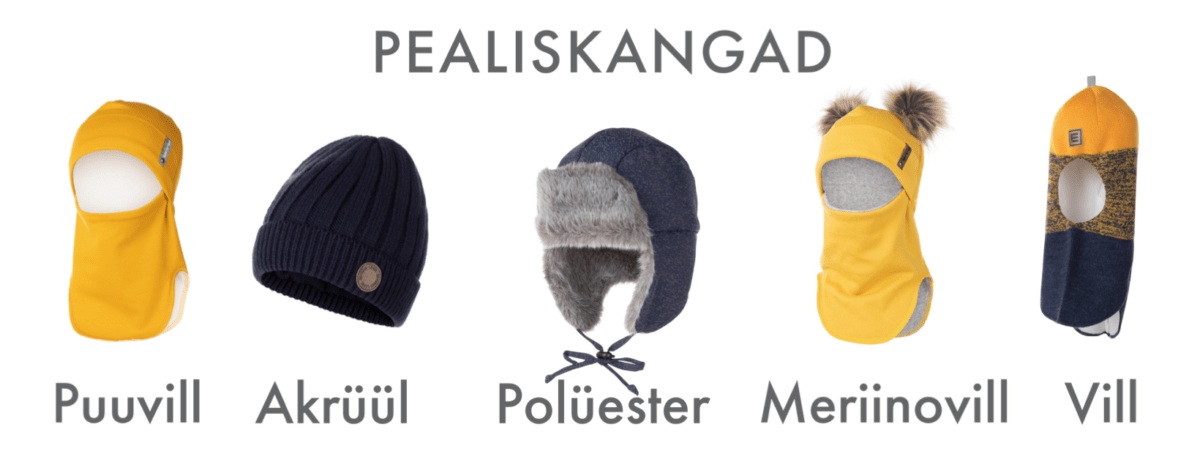
Wool and merino wool are an ideal material choice if you highly value a hat’s warmth and insulation properties. A wool hat keeps the head comfortably warm because it traps warm air close to the scalp. It is a natural material that effectively repels winter frost. Wool is also an excellent choice for the hat’s outer fabric, as, unlike cotton, it does not absorb moisture as easily.
An acrylic yarn hat is an ideal option for those who desire affordability and functionality – acrylic is lightweight, soft, and offers a versatile range of styles and colors. Although acrylic is not as warm as wool, it still withstands winter frost well. A hat with a water-repellent acrylic outer fabric, insulated with a soft fleece lining, is especially cozy and warm.
If you need a waterproof hat, consider synthetic fabrics like polyamide or polyester. This way, you can be sure that your head will stay dry even in rainy and slushy weather. A good option for this purpose, for example, are Lenne windproof winter hats made of reflective fabric.
Fleece lining is an excellent option for maximum warmth and protection against biting winds. The thermal properties and lightness of this material make its care incredibly easy. Hats with a fleece lining are a very popular material choice in winter – soft and comfortable fleece also offers excellent insulation and moisture-wicking properties, keeping the wearer’s head warm and dry. The downside, however, is that as an outer material, fleece may not provide sufficient wind protection compared to other materials.
Before buying a winter hat for yourself or your child, consider which features you value most in a hat. With the help of the materials ABC above, you can sort out the suitable material combination for yourself and make an informed choice to safely protect yourself and your child from winter frost.
Choosing a winter hat for a child – what to check before buying?
When choosing a winter hat for a child, the weather, the child’s activity level, and the fit of the hat should be considered in addition to the material. A merino wool hat is a good choice when the insulation and breathability of a natural material are highly valued. In windy and cold weather, a hat with a windproof construction and a warm lining that properly covers the ears is preferred. In wet weather, it is important to pay attention to the water-repellent or waterproof properties of the outer fabric.
The most important factor is to choose a hat that stays well on the head, does not leave the ears exposed, and is suitable for specific weather conditions.



Leave a Reply