How to Actually Choose the Right Size for Winter Boots?
The size of a child’s winter boots plays an important role in how comfortable and warm the child feels in cold weather. Even high-quality boots with a warm lining may not keep the feet warm enough if they are too small or do not leave room for the toes to move.
Choosing the size of winter boots can be difficult, especially when the child is still too small to say whether the boots fit. How to measure the child’s foot correctly, how much space should be left in front of the toes, and what to consider when ordering boots from an online store? We share practical recommendations that help in choosing the right size winter boots for a child.
How to measure a child’s foot and choose the winter boot size?
When ordering online, first determine the child’s foot measurement
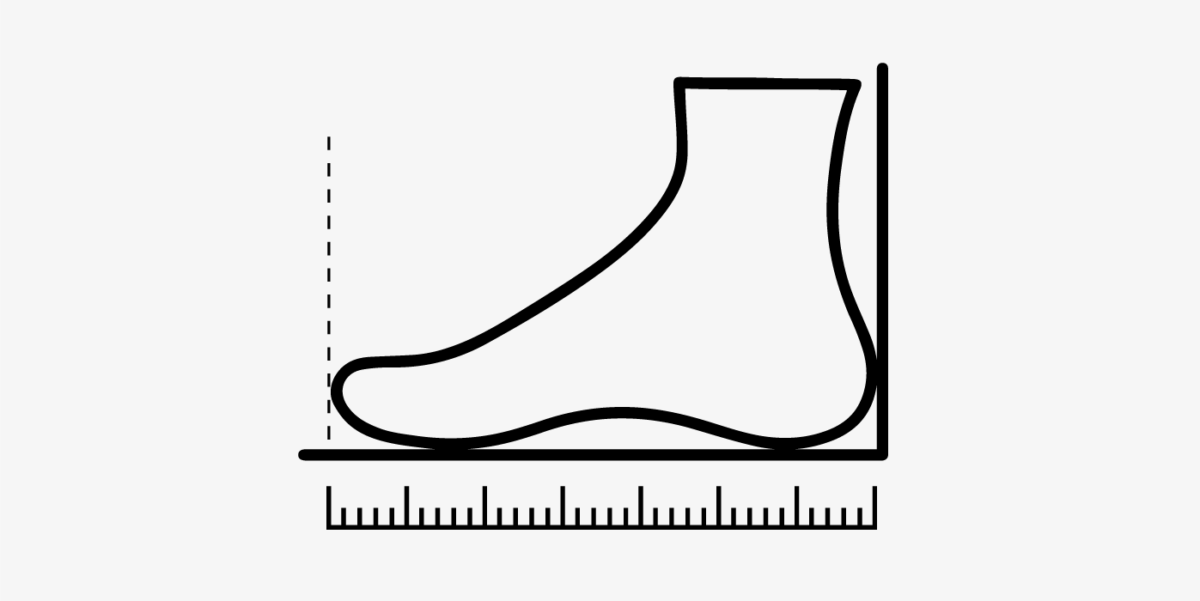
To do this, place a sheet of paper on the floor against a wall and have your child place their foot on the paper, with their heel also against the wall. When their toes are relaxed and the child is standing with their full body weight on their foot, make a mark in front of the longest toe by looking straight down. Be careful that the child doesn’t lift their foot and that the mark is made precisely where the toes end, not underneath them (ensure you hold the pencil vertically, at a 90-degree angle to the floor).
Once you have your child’s foot measurement, you can proceed to choose the boot size. This should be based on the insole length of the boot – the insole length should be the foot measurement plus at least 1.5 cm, allowing the child to move their toes freely. If your child wears wool socks inside their boots in winter, factor this in and add extra room.
How much growth allowance should a child’s winter boots have?
A child’s winter boot size should be chosen based on the actual length of the foot and the necessary growth allowance. Lenne recommends allowing for at least 1.5 cm of space so that the toes have enough room to move. For example, for a foot length of 15 cm, the insole length of the boot should be at least 16.5 cm. If the child wears thicker wool socks in the boots, room must also be left for them. Boots that are too small can restrict the movement of the toes and cause the feet to feel cold.
To check the size of existing boots, purchase boots from a physical store, or test the fit of an already ordered pair, follow these steps:
Take the insole out of the boot and place it on the floor against a wall.
Ask your child to step onto the insole with their full body weight, ensuring both their heel and the insole’s heel section are against the wall.
Looking straight down, check if there is at least 1.5 cm of space in front of the toes. For winter boots, this allowance can be even larger.
If everything is as it should be, you’ve bought the correct size boots for your child and can rest assured. However, if the boots turn out to be too big or too small, it’s worth considering that your child might still need new footwear to keep their feet warm in winter.
Choosing the size of winter boots – 5 common mistakes
What definitely NOT to do:
Do not check shoe size by holding the outsole against the foot. Firstly, the outsole is considerably longer than the insole, and secondly, if the child isn’t putting weight on their foot while standing, you won’t get an accurate measurement of their foot size.
Do not choose boot size solely based on how your child walks in them. Children are extremely adaptable and usually won’t tell you if their toes are already pressing against the front of the boot. It’s not uncommon for children’s toenails to grow upwards due to wearing shoes that are too small for extended periods, yet the child hasn’t said a word. For winter boots, consistently cold toes and the child wanting to be carried outdoors can be warning signs.
Do not choose boot size by Googling average children’s foot sizes. This might give an approximate range, but before wearing, you need to ensure the boot size is specifically suitable for your child. Foot sizes for children of the same age can vary by several numbers, and a child will have a very hard time walking in shoes two sizes too small.
Do not choose the size based on a previous pair of boots, unless it’s the exact same model from the same brand. Different brands and models have varying fits, and relying on such an assumption might mean the footwear won’t actually fit.
Do not assume that your child’s foot “definitely won’t grow that fast”. Winter boots are worn for a long period, sometimes even from October to April, and growth spurts happen even with older children. Check every couple of months whether the footwear still fits or if the winter boots need more growing room.



Kommentaarid