Materials ABC: how to Choose a Winter Hat for your Child?
Winter is in full swing, which means it’s time to bundle up in thick layers to stay warm. A warm winter hat is a very effective and simple piece of protective gear against biting frost. However, choosing the right hat material is key! Here’s a helpful materials guide to help you pick your winter warrior.
Finding the best material
For mild winters, hats with a cotton outer fabric and a fleece lining are very suitable. For cold winters, cotton is best when used as the hat’s lining. However, a cotton outer fabric can get wet in snowfall – which is why other materials are often preferred when choosing the outer fabric for a winter hat.
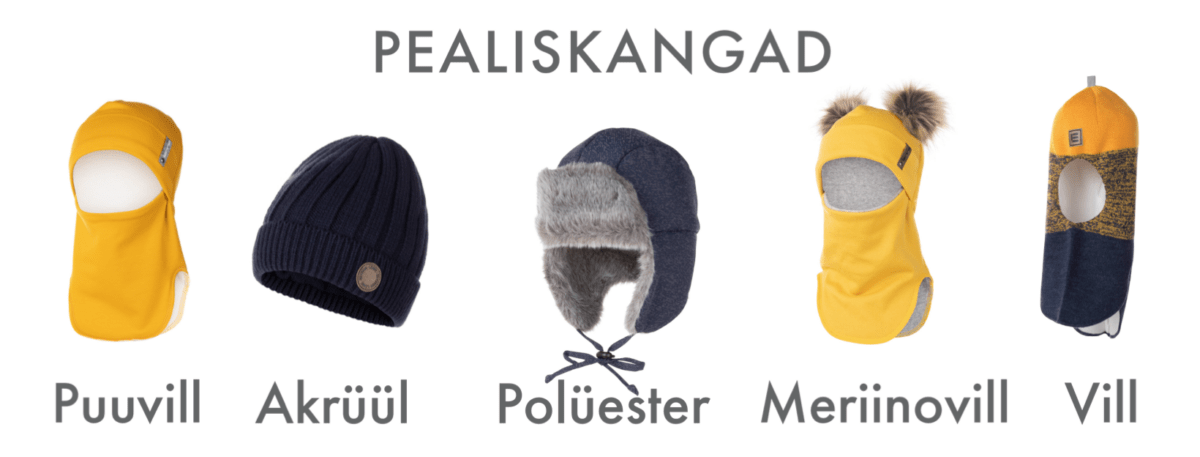
Wool and merino wool are an ideal material choice if you highly value a hat’s warmth and insulation properties. A wool hat keeps the head comfortably warm because it traps warm air close to the scalp. It is a natural material that effectively repels winter frost. Wool is also an excellent choice for the hat’s outer fabric, as, unlike cotton, it does not absorb moisture as easily.
An acrylic yarn hat is an ideal option for those who desire affordability and functionality – acrylic is lightweight, soft, and offers a versatile range of styles and colors. Although acrylic is not as warm as wool, it still withstands winter frost well. A hat with a water-repellent acrylic outer fabric, insulated with a soft fleece lining, is especially cozy and warm.
If you need a waterproof hat, consider synthetic fabrics like polyamide or polyester. This way, you can be sure that your head will stay dry even in rainy and slushy weather. A good option for this purpose, for example, are Lenne windproof winter hats made of reflective fabric.
Fleece lining is an excellent option for maximum warmth and protection against biting winds. The thermal properties and lightness of this material make its care incredibly easy. Hats with a fleece lining are a very popular material choice in winter – soft and comfortable fleece also offers excellent insulation and moisture-wicking properties, keeping the wearer’s head warm and dry. The downside, however, is that as an outer material, fleece may not provide sufficient wind protection compared to other materials.
Before buying a winter hat for yourself or your child, consider which features you value most in a hat. With the help of the materials ABC above, you can sort out the suitable material combination for yourself and make an informed choice to safely protect yourself and your child from winter frost.






Leave a Reply